On rainy days, membrane-structured sunshade and rain canopies uphold the “warm, people-centered spirit” of the city
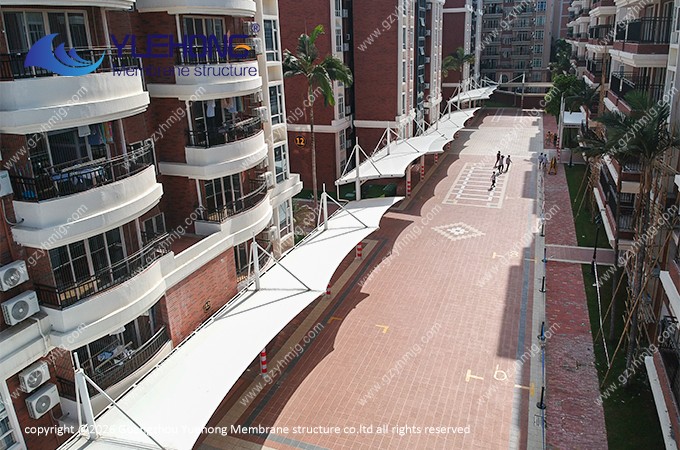
On rainy days, membrane-structured sunshade and rain canopies are quietly becoming the city’s most considerate “guardians” — sheltering pedestrians and cyclists waiting at red lights from wind and rain, creating a safe, worry-free space protected from the sun and undisturbed by the elements.
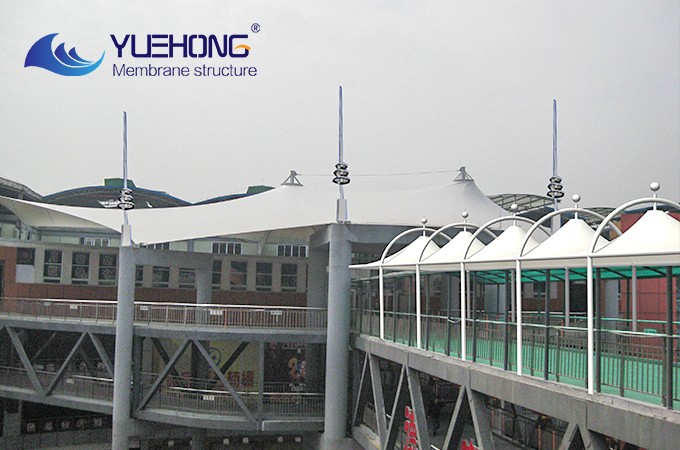
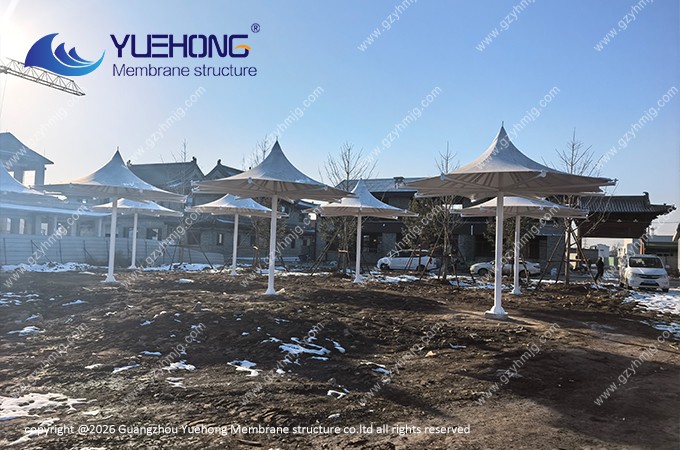
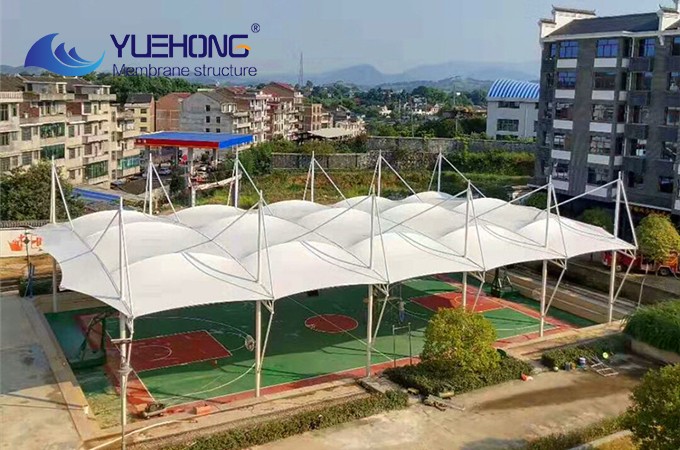
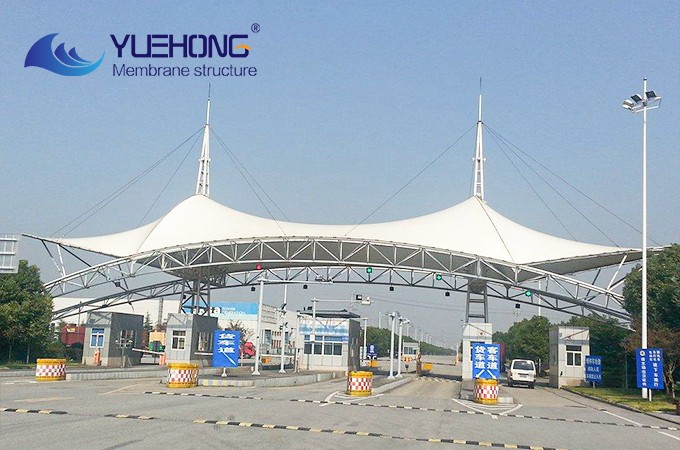
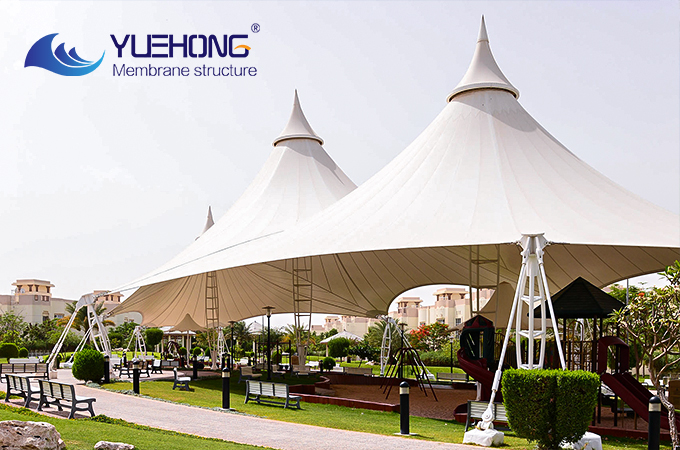
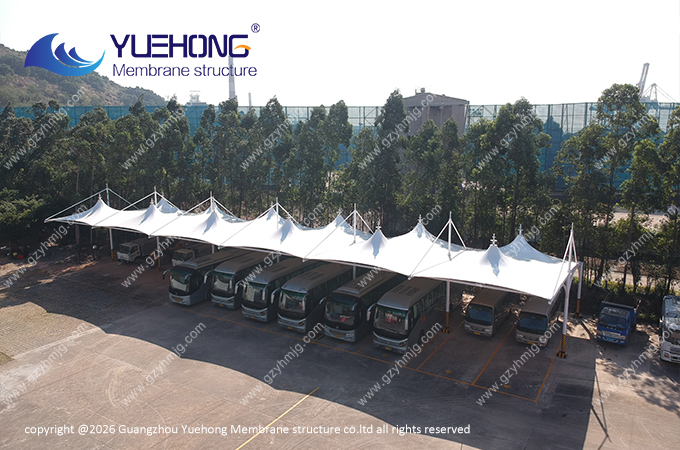
From niche to mainstream, more and more cities are installing such public-friendly facilities at busy intersections (channelized islands), around schools, and near hospitals. These membrane-structured sunshade and rain canopies feature a clean, elegant appearance. The membrane materials offer UV resistance, self-cleaning properties, and excellent aging resistance, effectively withstanding extreme weather while ensuring long service life. Some advanced canopies can even resist typhoon-force winds up to Level 12, delivering high safety and reliability.
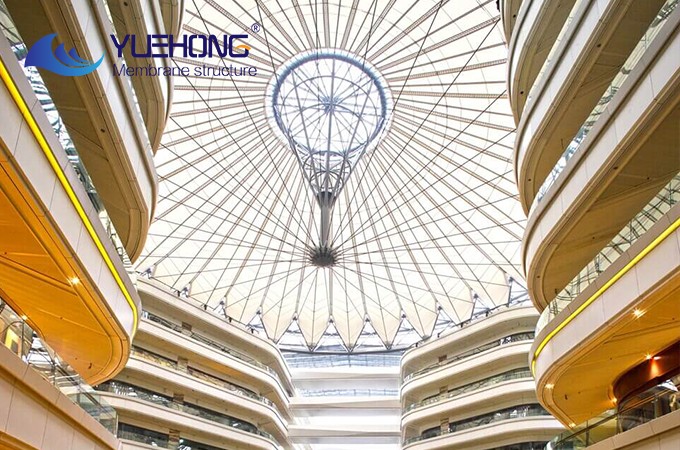
These seemingly minor municipal details actually reflect the granularity and warmth of urban governance —
1. Functional upgrade: Covering the entire waiting area, reducing column interference, and enabling smoother pedestrian and cyclist flow.
2. Aesthetic integration: Simple, modern designs, sometimes incorporating local cultural elements — turning functional facilities into urban landmarks, seamlessly blending with the city’s architectural landscape.

3. Responsive to people’s needs: Many cities have included such canopies in their “Top Ten Livelihood Priorities”, giving priority to locations with strong public demand, high foot traffic, and greater needs from vulnerable groups.**
Membrane-structured sunshade and rain canopies have long been popular with the public. As urban convenience facilities, they bring residents a sense of safety and happiness.